The Benefits of Passive Solar Design in Tamworth
Table Of Contents
Aesthetic Benefits of Passive Solar Design
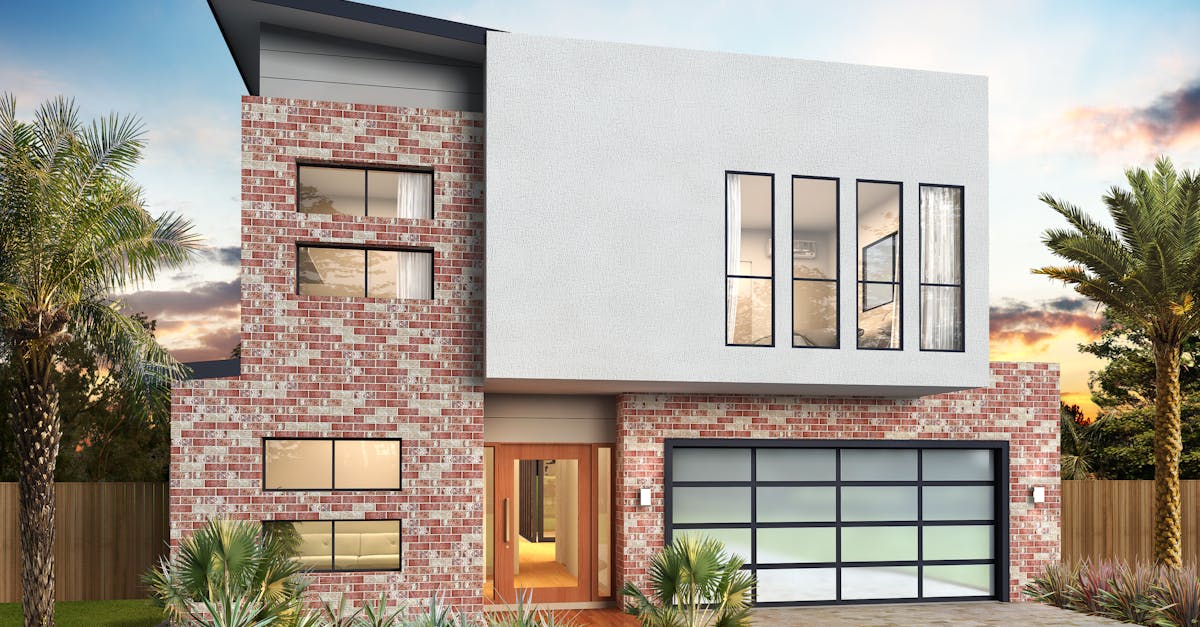
Incorporating passive solar design into residential architecture not only enhances energy efficiency but also contributes to the overall aesthetic appeal of a home. This design approach emphasises natural light, positioning windows to maximise sunlight exposure while creating a warm and inviting atmosphere. High ceilings and open-plan layouts often accompany these designs, allowing for a harmonious blend of spaces filled with natural illumination.
The materials used in passive solar homes can also elevate their visual impact. Often showcasing sustainable timber, stone, and glass, these homes foster a connection with the surrounding environment. Thoughtful landscaping can complement the design, drawing the eye to key architectural features while enhancing the home's integration within its locality. This focus on aesthetic value reinforces the concept that functionality and beauty can easily coexist in building design.
Integrating Style and Functionality
Incorporating passive solar design into residential architecture not only enhances energy efficiency but also elevates the aesthetic appeal of homes. Thoughtful design elements such as large windows, glass facades, and shaded overhangs allow for abundant natural light while ensuring visual harmony with the surrounding landscape. This approach encourages creativity, as architects and homeowners combine modern materials with traditional styles, resulting in a unique blend that reflects personal tastes while serving functional energy needs.
These design features do not compromise style for sustainability. Carefully positioned elements can create striking focal points within a home, enhancing the overall livability and comfort. By selecting colours and materials that resonate with the local environment, homes become more than mere structures; they transform into works of art that harmonise with Tamworth’s natural beauty. Each element works together, proving that eco-friendly design can merge seamlessly with elegant aesthetics.
Long-term Financial Savings
Investing in passive solar design can lead to significant financial savings over time. By utilising natural sunlight for heating and lighting, homeowners can dramatically reduce reliance on artificial energy sources. This transition not only lowers monthly energy bills but also decreases the demand for peak power usage during hot summer months, potentially leading to reduced long-term energy costs and less strain on the local energy grid.
Moreover, passive solar homes often require fewer ongoing expenses related to maintenance and heating systems. With an emphasis on natural heating, these designs can extend the lifespan of mechanical systems, such as furnaces and air conditioners. In this way, homeowners can benefit from both lower utility bills and diminished repair costs, enhancing their overall financial wellbeing in the long run.
Cost-effectiveness of Passive Solar Homes
Investing in a passive solar home can yield substantial long-term financial benefits. By harnessing natural sunlight for heating and cooling, homeowners often experience reduced energy bills. This sustainable approach also minimises reliance on artificial heating systems, leading to lower utility expenses over time. Families can find solace in the knowledge that their home is not only energy-efficient but also contributes to a more sustainable future.
The initial investment in passive solar design may seem higher compared to conventional building methods. However, many of these costs can be offset by government incentives and rebates aimed at promoting energy-efficient homes. Additionally, the durability of passive solar features tends to result in decreased maintenance costs, further enhancing overall cost-effectiveness. Homeowners in Tamworth can expect their investment to appreciate as energy efficiency becomes a priority for buyers in the market.
Local Climate Considerations
Tamworth experiences a distinct climate characterised by hot summers and cool winters. This environment presents a unique opportunity for integrating passive solar design techniques that optimise energy efficiency. The orientation of windows and the use of thermal mass can exploit solar gain in winter while offering protection from overheating during peak summer months. Thoughtful design can harness natural light and warmth, creating spaces that remain comfortable year-round while reducing reliance on artificial heating and cooling.
Understanding local weather patterns is crucial for effective passive solar strategies. In Tamworth, the use of overhangs and shading devices can significantly enhance indoor comfort during the hotter months. Selecting appropriate materials with suitable thermal properties can further contribute to a home's energy performance. Engaging with the region’s specific climatic features enables residents to make informed choices in design and materials, ensuring that their homes not only look appealing but also provide lasting comfort and efficiency.
Adapting Designs for Tamworth's Climate
In Tamworth, the local climate plays a crucial role in shaping effective passive solar designs. The region experiences hot summers and cool winters, making it essential for homes to have adequate thermal mass. This can be achieved through the use of materials such as concrete and brick, which help to store heat during the day and release it when temperatures drop. Additionally, strategically placed windows can capture sunlight during winter while shading them in summer to prevent overheating.
Orientation and shading devices are also important considerations for homes in Tamworth. By positioning living spaces towards the north, homeowners can maximise the benefit of natural light and warmth during the colder months. On the other hand, eaves, pergolas, and trees can provide necessary shade in summer, reducing reliance on artificial cooling methods. Overall, these design elements work together to create a comfortable living environment that aligns with the unique climate conditions of the area.
FAQS
What is passive solar design?
Passive solar design is an architectural approach that utilises natural energy from the sun to maintain comfortable indoor temperatures, reduce energy consumption, and enhance the overall efficiency of a building.
How does passive solar design enhance aesthetics?
Passive solar design integrates style and functionality, allowing for large windows, open spaces, and natural materials that not only provide better energy efficiency but also create visually appealing environments that harmonise with the surrounding landscape.
What are the long-term financial savings associated with passive solar homes?
Passive solar homes can lead to significant long-term financial savings by reducing heating and cooling costs, lowering energy bills, and requiring less maintenance over time compared to traditional homes.
How can passive solar design be adapted for Tamworth's climate?
In Tamworth, passive solar design can be tailored to local climate considerations by incorporating features such as strategically placed windows for optimal sunlight exposure, thermal mass materials to store heat, and shading elements to reduce overheating during summer months.
Are there any government incentives for building passive solar homes in Australia?
Yes, there are various government incentives and programs available in Australia to encourage sustainable building practices, including grants, rebates, and tax benefits for homeowners who implement energy-efficient and passive solar design features.
Related Links
Reducing Water Usage in New Home ConstructionDesigning Low-Waste Homes: Strategies and Tips
Incorporating Renewable Energy Solutions in New Home Designs
Maximising Natural Light in Sustainable Home Designs
Understanding Green Certification Processes for New Houses
Eco-Friendly Materials for Sustainable Builds in Tamworth
Energy Efficient Appliances: Essential Choices for New Builds