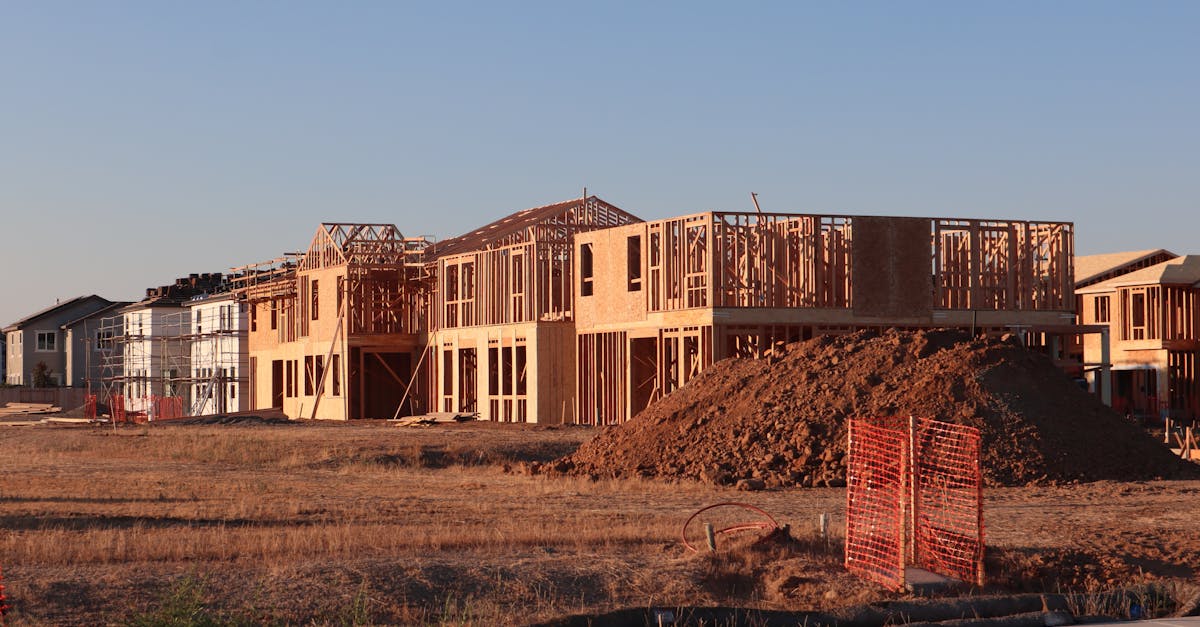
How to Allocate Funds for Unexpected Expenses in Construction
Table Of Contents
Communicating with Stakeholders
Effective communication is vital in managing construction projects, especially when dealing with unexpected expenses. Stakeholders, including clients, contractors, and suppliers, need to be informed promptly about any financial changes that may impact the project. Transparency fosters trust and helps stakeholders understand the reasoning behind budget reallocations. Regular updates and clear communication channels can also minimise confusion and ensure that everyone is aligned with any adjustments in the project’s financial plan.
Keeping all parties in the loop can enhance collaboration and lead to more effective problem-solving. When unexpected costs arise, it is important to outline the potential implications on the overall project scope and timeline. Providing detailed explanations and forecasts can help stakeholders grasp the situation better. This proactive approach not only strengthens relationships but also encourages a team-oriented mindset designed to navigate financial challenges successfully.
Keeping Everyone Informed About Financial Changes
Transparent communication about financial changes is vital in ensuring that all stakeholders remain on the same page. Regular updates can help mitigate misunderstandings and foster a collaborative environment. By sharing detailed analyses of how unexpected expenses impact the overall budget, project managers can effectively manage expectations. Such openness enables stakeholders to adjust their strategies and priorities accordingly, creating a collective approach to resource allocation.
Utilising various communication channels enhances the dissemination of information. Meetings, emails and project management tools can all serve to keep stakeholders informed. Providing updates through these platforms helps ensure that everyone involved is aware of the financial situation at any given time. This proactive approach also reinforces trust among team members, as it demonstrates a commitment to transparency and collaboration in navigating unforeseen challenges.
Reviewing Past Projects
Analysing previous construction projects offers valuable insights into handling unexpected expenses. By examining past budgets and outcomes, project managers can identify common pitfalls and areas where costs tended to overruns. This process involves digging into records to uncover patterns tied to specific types of projects or unforeseen challenges. Such insights can serve as benchmarks for future planning, allowing teams to allocate funds more effectively.
Understanding the nature and frequency of unexpected costs from earlier projects also provides a clearer picture for financial forecasting. Lessons learned from previous experiences can lead to the development of more robust contingency plans. By integrating this knowledge into project proposals, managers can better prepare for similar situations that may arise in new ventures. A careful review of historical data not only aids in budget allocation but also enhances overall project resilience.
Learning from Previous Unexpected Costs
Examining past projects provides valuable insights into managing unforeseen expenses. By analysing historical data, construction firms can identify common pitfalls and patterns that led to budget overruns. Such insights help refine risk management strategies and promote proactive planning for similar future projects. This approach fosters a culture of continuous improvement, where lessons learned contribute to sound financial decision-making.
Documenting instances of unexpected costs allows teams to develop a more comprehensive risk assessment framework. Trends in the types of expenses and their frequency can be mapped out to enhance the organisation's capacity for anticipating issues. In addition, creating a repository of these experiences supports knowledge-sharing among project managers and stakeholders. This collaborative effort leads to more robust financial models that can better withstand surprises.
Adjusting Project Timelines
Construction projects often face unforeseen delays, necessitating adjustments to the original timelines. These changes can arise from various factors, such as weather conditions or supply chain disruptions. When timelines are altered, it’s crucial to reassess the financial implications of these delays. Projects may incur additional costs related to extended labour hours or equipment rentals. Therefore, clear financial planning is essential to accommodate these potential expenses.
Changing the timeline can also impact other project elements, such as resource management and stakeholder engagement. Effective communication with all parties involved becomes vital to ensure a shared understanding of how the revised schedule affects the budget. Re-evaluating financial forecasts and making necessary adjustments can help maintain transparency. By proactively addressing these changes, project managers can better navigate the complexities of budget allocation during unforeseen circumstances.
How Timeline Changes Affect Budget Allocation
Timeline adjustments can significantly impact budget allocation in construction projects. When a project timeline is extended, costs may increase due to prolonged equipment rental, ongoing labour expenses, and potential price fluctuations in materials. These added expenses require careful consideration to avoid jeopardising the overall financial health of the project.
Conversely, a compressed timeline could result in cost savings but may lead to rushed work or the need for increased workforce hours. Tight schedules often necessitate additional resources, which can drive up costs. Striking a balance between time, cost, and quality becomes crucial as project managers reassess their funding strategies to accommodate these changes.
FAQS
What are unexpected expenses in construction?
Unexpected expenses in construction refer to unforeseen costs that arise during a project, such as unexpected site conditions, changes in design, or delays that require additional resources.
How can I communicate unexpected costs to stakeholders?
It's essential to maintain open and honest communication with stakeholders. Provide regular updates on the project's financial status, explain the reasons for the unexpected costs, and discuss potential impacts on the project timeline and budget.
What should I consider when reviewing past projects for future reference?
When reviewing past projects, consider the nature of unexpected costs that occurred, how they were managed, and the effectiveness of the communication strategies used. This will help you identify patterns and develop better budgeting practices for future projects.
How do project timeline changes affect budget allocation for unexpected expenses?
Changes in project timelines can lead to increased costs due to extended overhead, additional labour, or re-scheduling of subcontractors. It's crucial to reassess your budget allocation to accommodate these potential increases when timelines change.
Are there any strategies to minimise unexpected costs in construction?
Yes, strategies include thorough planning and risk assessment, maintaining a contingency fund, regularly reviewing project progress, and fostering good communication with all stakeholders to promptly address any issues that arise.
Related Links
Essential Budgeting Tools for First-Time Home BuildersTips for Creating a Realistic Home Building Budget
Breaking Down the Budget: What to Include When Building
Budget-Friendly Tips for Selecting Home Materials
How to Stretch Your Budget Without Sacrificing Quality