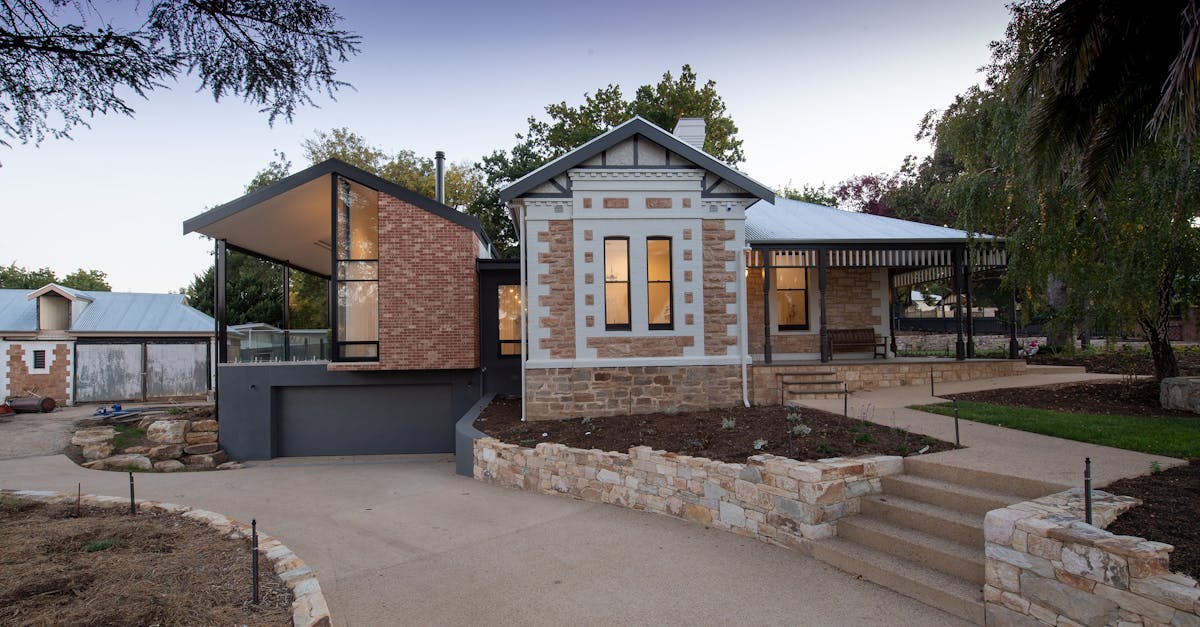
Embracing Minimalism in Tamworth Homes
Table Of Contents
Choosing the Right Colour Palette
A well-selected colour palette can significantly influence the atmosphere of a minimalist home. Soft, neutral tones create a backdrop that promotes tranquility and simplicity. Shades like pale greys, whites and beiges provide a clean canvas, allowing other elements in the room to stand out without overwhelming the senses. These hues work harmoniously together, enhancing natural light and fostering a sense of spaciousness, which is vital in minimalist design.
In addition to neutral colours, incorporating subtle pastel accents can add depth without detracting from the overall simplicity. Soft blues or muted greens can evoke feelings of calmness and connection to nature. It’s essential to consider the intent behind each colour choice, ensuring that every shade contributes positively to the intended mood of each space. This deliberate approach to colour not only enhances the aesthetic appeal but also reinforces the core principles of minimalism.
Colours that Promote Calmness and Simplicity
Selecting a serene colour palette can significantly enhance the atmosphere of a home. Soft, muted tones such as pale blues, gentle greys, and warm whites evoke feelings of calmness. These hues create a tranquil backdrop that promotes relaxation and peace of mind. Neutrals are particularly effective in minimalist designs as they reflect light well and can make spaces feel more open and airy. Consider incorporating shades inspired by nature, such as soft greens or sandy beiges, to establish a connection with the outdoors and further enhance the overall sense of serenity.
Accent colours can also play a vital role in a minimalist home, providing points of interest without overwhelming the space. Subtle variations of colour, such as dusty pastels, maintain the simplicity while adding depth. Using a limited colour palette invites cohesion throughout the home, allowing each room to flow seamlessly into the next. Thoughtful application of these tones can highlight architectural features and create focal points, leading to an environment that feels harmonious and well-balanced.
Furniture Selection for Minimalist Living
Selecting furniture for a minimalist lifestyle requires careful consideration of both functionality and aesthetic appeal. Opt for pieces that serve multiple purposes, allowing for efficient use of space without sacrificing style. For instance, a sleek sofa can double as a bed for guests, while a coffee table with storage can keep the living area tidy and organised. Each item should complement the overall design, creating a cohesive look that reinforces the principles of simplicity and elegance.
Incorporating fewer but high-quality items transforms a space while maintaining the minimalist ethos. Prioritise versatility and comfort in your choices, ensuring each piece seamlessly fits into your home’s flow. Natural materials and neutral tones often work well in this context, providing a sense of warmth and tranquility. By thoughtfully curating your furniture, you uphold the minimalist intention of decluttering both physical and visual elements, promoting a serene living environment.
Embracing Multi-Functional Pieces
Incorporating multi-functional furniture can greatly enhance minimalist living. Items such as a coffee table that doubles as a storage unit or a sofa bed provide flexibility without sacrificing design. These versatile pieces help maximise space in smaller homes typical of Tamworth, ensuring that every item serves a purpose. Choosing furniture with hidden compartments or convertible features reduces clutter while maintaining the aesthetic appeal of a streamlined environment.
Selecting furniture that adapts to various needs can simplify daily tasks and improve the overall flow of a home. By avoiding an excess of single-function items, homeowners can create a more harmonious layout. The functionality of multi-purpose pieces encourages a lifestyle that values quality and intentionality over excess. This approach not only enriches the living experience but also aligns perfectly with the principles of minimalism.
Creating Open Spaces
An open layout can significantly enhance the sense of space in a home. By removing unnecessary walls and barriers, residents can experience a more inviting and airy environment. This arrangement allows for better natural light flow, creating a cheerful atmosphere. Families can easily interact and connect, fostering a sense of togetherness that aligns with the minimalist philosophy.
Maximising vertical space is another key element in creating a feeling of openness. Consider using tall shelving units to draw the eyes upwards rather than cluttering the floor area. Strategic placement of furniture also contributes to an unobstructed movement throughout the home. Clean lines and simplicity should guide choices, ensuring that every element not only serves a purpose but also complements an uncluttered design aesthetic.
The Importance of Flow in Home Design
An effective home design prioritises the seamless movement between spaces. This flow can make even the smallest areas feel more spacious and inviting. Consider how pathways and transitions between rooms can enhance both functionality and aesthetics. Open layouts encourage effortless navigation while ensuring that each area serves its purpose without feeling overly cluttered.
Incorporating elements that promote visual and physical connections is essential for a harmonious environment. Aligning furniture and creating sightlines can guide the eye and improve the overall atmosphere. Simple adjustments, like opting for harmonious colours or carefully positioned furniture, can reinforce a sense of unity throughout the home. The goal is to foster an experience where each room complements the other, creating a sanctuary of tranquillity.
FAQS
What is minimalism in home design?
Minimalism in home design focuses on simplicity and functionality, prioritising essential elements while removing excess clutter. This approach creates calm, open living spaces that promote a sense of peace and clarity.
How do I choose the right colour palette for a minimalist home?
When selecting a colour palette for a minimalist home, opt for neutral tones such as whites, greys, and beiges, which promote calmness. You can also incorporate subtle accents of soft, natural colours to enhance warmth without overwhelming the space.
What types of furniture are best for a minimalist lifestyle?
For a minimalist lifestyle, choose furniture that is functional and multi-functional. Look for pieces that serve more than one purpose, such as a sofa bed or a coffee table with storage options, to maximise space and reduce clutter.
How can I create open spaces in my home?
To create open spaces, focus on removing unnecessary furniture and using versatile pieces that can adapt to your needs. Additionally, consider an open floor plan and use strategic furniture placement to maintain a sense of flow.
Why is flow important in home design?
Flow is crucial in home design as it enhances movement and connectivity between spaces. A well-designed flow allows for a seamless transition from room to room, contributing to a harmonious and functional living environment that embodies minimalist principles.
Related Links
The Rise of Biophilic Design in Interior SpacesThe Impact of Open Floor Plans on Interior Aesthetics
Incorporating Local Art and Culture into Home Design
Understanding the Role of Natural Light in Home Interiors
Sustainable Materials: A Trend in Interior Design
Creating Multi-functional Spaces for Modern Living
Timeless Decor Styles That Enhance Tamworth Interiors
Integrating Smart Technology in Home Design