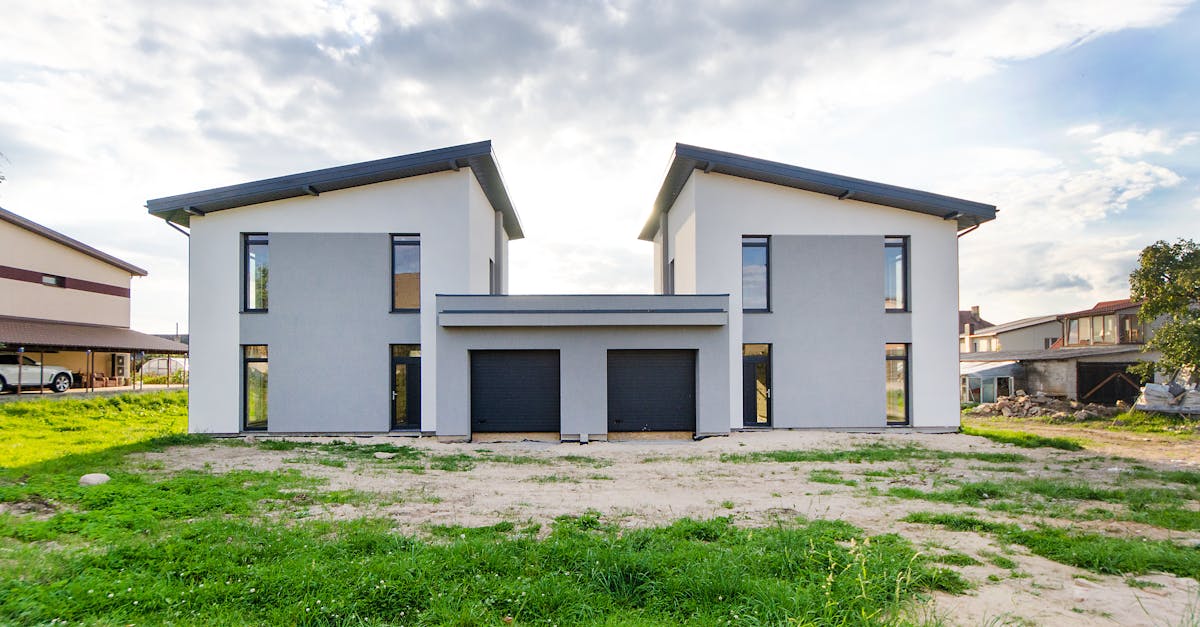
Embracing Minimalism in Modern Home Architecture
Table Of Contents
Designing with Purpose
In contemporary home architecture, every element should serve a clear function while also contributing to the overall aesthetic. This approach encourages thoughtful layout decisions that consider how space flows and how it will be used daily. By prioritising functionality, designers can create environments that support the activities of everyday life without unnecessary clutter. The integration of versatile spaces allows residents to adapt areas for various purposes, enhancing both utility and comfort in the home.
Focusing on purposeful design also invites an exploration of materials and finishes that resonate with the home's intent. Natural elements such as wood and stone can create a warm and inviting atmosphere, reinforcing a sense of connection to the environment. Optimising light—through strategic window placements and colour choices—can enhance the perception of space, making homes feel larger and more welcoming. Each decision in the design process should reflect a commitment to simplicity and clarity, promoting a lifestyle that is both serene and functional.
Creating Intentional Living Spaces
Intentional living spaces are designed to foster a sense of purpose and clarity. Every element, from the layout to the furnishings, serves a specific function, reducing distractions and promoting well-being. Open floor plans, for instance, can encourage fluid movement and interaction between areas, while strategically placed windows allow for natural light to permeate the environment. This design philosophy invites one to engage with their surroundings more mindfully.
Selecting a limited number of high-quality furnishings enhances the intentionality of a space. Items should be chosen not only for their aesthetic appeal but also for their practical use in daily life. Multi-functional furniture, such as a coffee table that doubles as storage, exemplifies this approach. Additionally, incorporating personal touches, like art or memorabilia, can create a deeper connection to each space, encouraging occupants to embrace simplicity while still feeling at home.
Incorporating Sustainability
Sustainable architecture prioritises the use of materials that have minimal impact on the environment. Incorporating reclaimed wood, recycled steel, and sustainable concrete not only reduces the carbon footprint of the building but also adds character and uniqueness to a space. Choosing local materials helps minimise transportation emissions, while also supporting local economies. Natural insulation options, such as wool or hemp, enhance energy efficiency and contribute to a healthier indoor environment.
Water conservation is another vital aspect of sustainability in modern home design. Installing rainwater harvesting systems and using permeable materials for driveways and pathways can help manage stormwater runoff effectively. Designing with passive solar principles allows homes to make the most of natural light and warmth, significantly reducing reliance on artificial heating and cooling. Overall, these elements combine to create a home that respects the environment while providing comfort and functionality.
Eco-Friendly Practices in Minimalist Architecture
Integrating sustainable techniques into minimalist architecture enhances both environmental responsibility and aesthetic purity. Utilising ethical materials, such as recycled wood or bamboo, reduces the carbon footprint while providing a distinctive look. Natural insulation made from wool or recycled denim can promote energy efficiency by regulating indoor temperatures, decreasing reliance on heating and cooling systems. Architecture that maximises natural light through expansive windows reduces the need for artificial illumination, creating a bright and open ambience while conserving energy.
Water conservation techniques also play a crucial role in sustainable minimalist design. Incorporating rainwater harvesting systems and drought-resistant landscaping optimises water use and maintains beauty without excess consumption. Replacing traditional heating systems with solar panels further enhances energy efficiency, aligning with the minimalist ethos of simplicity and functionality. Each of these practices not only conserves resources but also contributes to a home environment that embodies tranquility and mindfulness.
Furniture and Décor Choices
In minimalist architecture, the careful selection of furniture and décor significantly impacts the overall aesthetic and functionality of a space. Opting for multi-functional pieces allows homeowners to maximise limited square footage while maintaining a clean, uncluttered appearance. Lightweight materials and streamlined designs help create an airy atmosphere, encouraging an open flow throughout the home. Prioritising quality over quantity is crucial, as investing in durable, timeless items leads to fewer replacements and a more sustainable lifestyle.
Decorative elements should complement the minimalist ethos, enhancing without overwhelming. Incorporating natural textures, such as timber or stone, can add warmth while keeping to a simple palette. Thoughtful placement of accessories and artwork can provide focal points within a room while maintaining the essence of minimalism. Avoiding excessive ornamentation allows these intentionally chosen pieces to shine, embodying both aesthetic appeal and functional purpose within the living environment.
Selecting Functional and Aesthetic Pieces
When curating furniture and décor for a minimalist space, it is essential to prioritise both function and aesthetics. Each piece should serve a purpose, enhancing the overall utility of the area while reflecting personal style. For instance, opting for multi-functional furniture can allow for flexible use of space. A streamlined sofa bed can transform an open living area into a cosy guest room without overwhelming the room's minimalist aesthetic.
Incorporating natural materials can elevate the beauty of minimalist design while maintaining a sense of simplicity. Timber, stone, and linen not only offer visual warmth but also contribute to a well-balanced environment. Selecting items with clean lines and subtle textures can harmonise with the overall design ethos. By keeping the colour palette neutral, the focus remains on the craftsmanship and details of each chosen piece, creating a serene atmosphere.
FAQS
What is minimalism in modern home architecture?
Minimalism in modern home architecture refers to a design philosophy that focuses on simplicity and functionality, reducing excess and promoting a clean, uncluttered aesthetic. It prioritises intentionality in space usage and the selection of materials, encouraging a lifestyle that values quality over quantity.
How can I create intentional living spaces in my home?
To create intentional living spaces, start by assessing your needs and lifestyle. Choose multifunctional furniture, use a neutral colour palette, and incorporate only those items that bring you joy or serve a purpose. This approach helps foster a serene and purposeful environment.
What are some eco-friendly practices to incorporate into minimalist architecture?
Eco-friendly practices in minimalist architecture include using sustainable materials, optimising natural light through large windows, implementing energy-efficient systems, and incorporating green roofs or walls. Additionally, focusing on local sourcing and reducing waste during construction can also enhance sustainability.
How do I select furniture and décor that align with minimalism?
When selecting furniture and décor for a minimalist home, prioritize functional pieces that serve multiple purposes and have timeless designs. Look for quality materials, avoid overly ornate styles, and aim for a cohesive colour scheme to maintain a clean and harmonious aesthetic.
Can minimalism work in small spaces?
Yes, minimalism is particularly effective in small spaces as it maximises functionality and reduces clutter. By using space-saving furniture, smart storage solutions, and maintaining a simple colour palette, you can create an open and inviting environment, regardless of the size of your home.
Related Links
Integrating Smart Technology into New Home BuildsThe Rise of Open-Plan Living in New Home Designs
Designing for Energy Efficiency in Modern Homes
Innovative Materials Shaping Modern Home Construction
The Role of Colour in Modern Australian Architecture
The Influence of Coastal Living on Modern Home Aesthetics