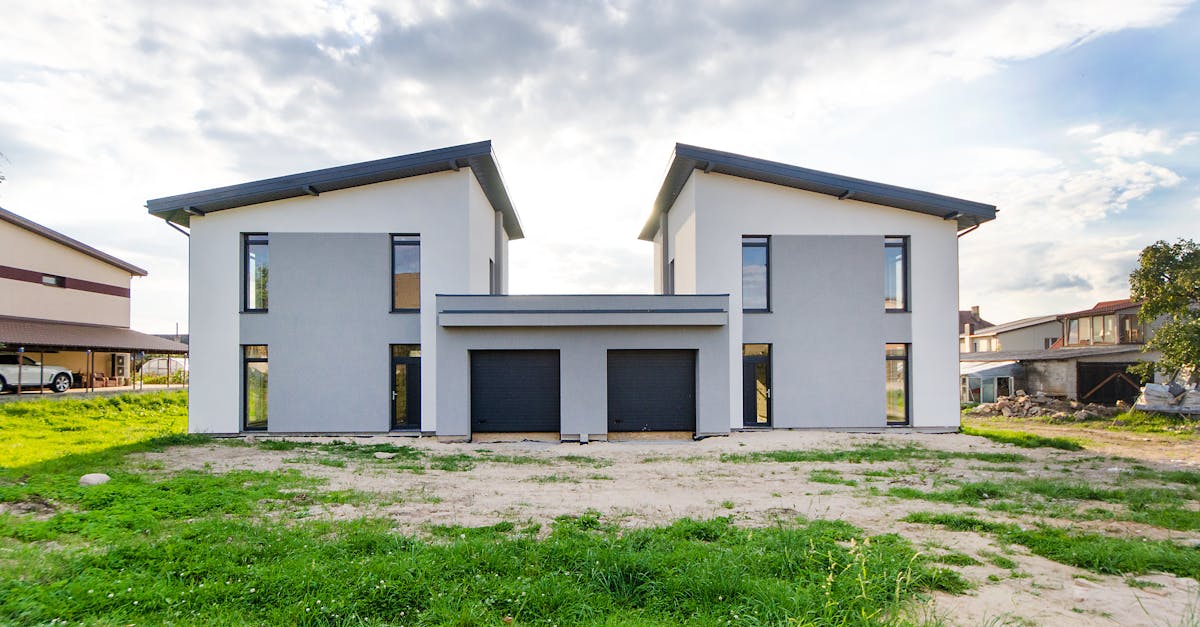
Common Challenges in Framing and How to Overcome Them
Table Of Contents
Ensuring Compliance with Building Codes
Building codes serve as a crucial framework for ensuring safety and quality in construction projects. These regulations encompass a range of criteria, from structural integrity to fire safety and energy efficiency. Navigating them requires an understanding of both national standards and local ordinances. Ignoring these codes can result in costly delays, fines, or even having to demolish non-compliant work. For builders and framers, it is essential to stay updated with changes in legislation, as these can vary significantly between jurisdictions.
To achieve compliance, it's advisable to develop a strong relationship with local building authorities. Regular communication can clarify ambiguities within the codes and foster a better understanding of regulatory expectations. Engaging in pre-application consultations can be invaluable for identifying potential compliance issues early on. By harnessing this proactive approach, teams can streamline their processes and reduce the risk of penalties or required alterations later in the construction phase.
Navigating Local Regulations Effectively
Understanding the complexities of local building regulations is crucial for any framing project. These regulations can differ significantly between regions and may encompass zoning laws, safety protocols, and structural specifications. Construction businesses must thoroughly research and stay updated on these requirements to avoid potential fines or project delays. Engaging with local authorities early in the planning process can provide valuable insights and facilitate smoother approvals.
Establishing strong relationships with local councils and inspectors can further ease the navigation of regulations. Regular communication helps to clarify expectations and align project goals with community standards. Attending community meetings can also provide important context on emerging regulations or changes in enforcement policies. Proactively seeking feedback from regulatory bodies ensures that all aspects of the project adhere to local laws.
Overcoming Skill Gaps in the Workforce
The framing industry faces a notable challenge with skill gaps in the workforce. Many workers enter the job without sufficient training or experience, which can lead to inconsistent quality and delays in project timelines. To mitigate this issue, companies are encouraged to invest in comprehensive training programs, focusing on both practical skills and theoretical knowledge. Providing a structured onboarding process can help newcomers acclimate more quickly to the demands of the role and encourage a culture of continuous learning.
Employers can also benefit from collaborating with local training institutions and apprenticeships to develop a skilled workforce. This partnership not only addresses immediate labour shortages but also nurtures long-term talent within the community. Establishing mentorship programs, where experienced workers guide less seasoned employees, fosters an environment of knowledge exchange. Such initiatives help ensure that skills are not only learnt but also perfected, contributing to overall improvement in project outcomes and employee satisfaction.
Training Solutions for Framing Teams
Investing in comprehensive training programmes is essential for enhancing the skills of framing teams. Workshops can provide hands-on experience, allowing workers to engage with tools and materials in a controlled environment. Incorporating both safety protocols and advanced framing techniques into the training curriculum equips participants with the necessary knowledge to navigate challenges on-site. Regular assessments can help identify areas where additional focus is needed, ensuring continual development.
Mentorship programs can also play a significant role in bridging skill gaps. Pairing experienced framers with new team members fosters an environment of shared knowledge and expertise. This practice not only accelerates the learning curve for less experienced workers but also strengthens team dynamics. By encouraging open communication and collaboration during training, businesses can cultivate a more skilled workforce capable of meeting industry demands.
Maintaining Effective Communication
Clear communication is essential for any successful framing project. Team members must share updates on progress and address potential issues promptly. Regular check-ins and stand-up meetings can facilitate discussions and ensure everyone is on the same page. Using visual aids, such as drawings or digital models, can help clarify complex instructions and reduce misunderstandings among workers on-site.
Utilising collaborative tools can enhance communication efforts further. Platforms that allow for real-time updates and document sharing streamline information flow. Encouraging open dialogue fosters a supportive environment where team members feel comfortable sharing their concerns or insights. This approach not only promotes a more cohesive team but also helps identify problems early, minimising delays and ensuring the project stays on track.
Best Practices for Team Collaboration
Effective collaboration among team members is essential for successful framing projects. Establishing clear roles and responsibilities fosters accountability and ensures everyone understands their individual contributions. Regular meetings can help address any misunderstandings and keep the project on track. Leveraging digital tools can enhance communication, allowing team members to share updates and feedback in real-time.
Encouraging an open environment promotes idea sharing, which can lead to innovative solutions to common challenges. Teams benefit from recognising each member's strengths and tapping into them for specific tasks. Additionally, integrating team-building activities can strengthen relationships and create a more cohesive unit, resulting in improved performance and job satisfaction across the board.
FAQS
What are some common challenges faced in framing construction?
Common challenges in framing construction include ensuring compliance with building codes, overcoming skill gaps in the workforce, and maintaining effective communication among team members.
How can I ensure compliance with building codes during framing?
To ensure compliance with building codes, it is important to stay informed about local regulations, consult with building authorities, and regularly review the latest code updates to ensure your framing practices align with legal requirements.
What training solutions can help address skill gaps in the workforce?
Effective training solutions may include on-the-job training, workshops, online courses, and mentorship programs designed to enhance the skills and knowledge of framing teams.
What are some best practices for maintaining effective communication within framing teams?
Best practices for effective communication include regular team meetings, clear project documentation, using collaborative tools, and encouraging feedback to ensure everyone is on the same page.
How can local regulations impact framing projects?
Local regulations can impact framing projects by dictating specific building codes, zoning laws, and safety requirements that must be adhered to, which can affect project timelines and costs if not properly navigated.
Related Links
The Role of Structural Engineers in Home BuildingMaterials Used in Framing New Home Builds
Comparing Steel vs Timber Framing for New Builds
The Significance of Load-Bearing Walls in Home Design
Safety Protocols During the Framing Process
Innovations in Framing Techniques for Modern Homes
Best Practices for Timber Framing in Australia
Key Techniques for Effective Structural Work in New Homes
Understanding the Importance of Framing in Home Construction