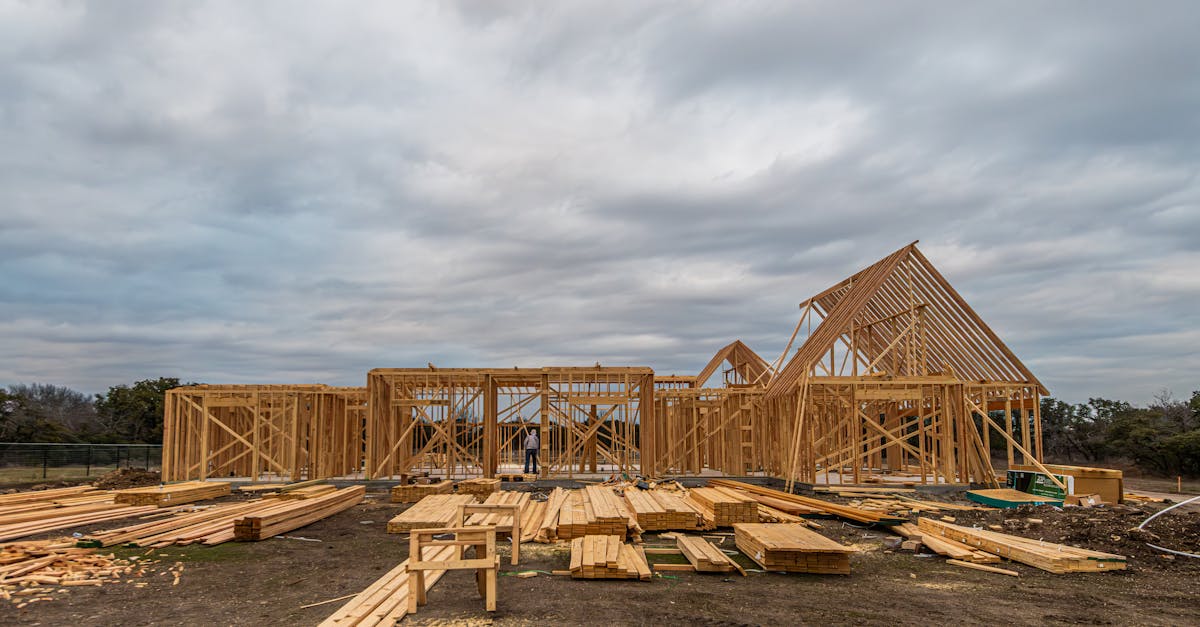
Budgeting for Unexpected Expenses in New Home Projects
Table Of Contents
Allocating Additional Resources
When embarking on home projects, it is essential to set aside resources specifically for unexpected costs. These can arise from various sources, including unforeseen structural issues or changes in project scope. By establishing a contingency fund, you can help mitigate the financial strain that might otherwise disrupt your plans. Experts generally recommend allocating around 10 to 20 per cent of the total project budget for this purpose. This practice not only provides peace of mind but also ensures that you can adapt your plans without significant delays or compromises.
Moreover, consider revisiting your overall budget and identifying areas where you can trim expenses. Evaluating your priorities allows for a more flexible allocation of your resources. This might mean opting for less costly materials where feasible or choosing local contractors who can provide more competitive rates. Being adaptable in your planning stages can help free up funds that you can then redirect towards unforeseen expenses, creating a more resilient financial strategy for your home project.
Where to Find Extra Funding for Your Projects
Exploring alternative funding sources can be essential when unexpected expenses arise in home projects. Personal loans are a common option, offering quick access to cash without the lengthy approval process that comes with traditional mortgages. Credit unions and local banks often provide competitive rates. Another avenue could be tapping into home equity through a line of credit. This approach may be beneficial for homeowners with increased property value since it leverages existing equity for necessary funds.
Government grants and subsidies are also worth investigating. Various programs aim to support home renovations that improve energy efficiency or accessibility. Engaging with local councils might reveal specific initiatives available in your area, complete with eligibility requirements. Crowdfunding platforms provide an innovative approach to generate funds for unique home projects, allowing friends, family, and even strangers to contribute financially through online platforms. These funding options can help cushion the financial burden of unexpected costs during renovations or building projects.
Insurance as a Safety Net
Home renovations often come with unforeseen challenges. Having the right insurance can alleviate some financial stress associated with these unexpected issues. Home and contents insurance typically covers damage to your property and belongings, providing a crucial layer of protection. In addition, building insurance can safeguard against structural problems that may arise during renovations. Ensuring that your policies are up to date and tailored to your specific project can prevent significant out-of-pocket expenses down the line.
When selecting insurance for home renovations, it's important to consider various types of coverage. Public liability insurance is particularly valuable if contractors are involved, protecting you against claims for injury or property damage. Additionally, specific renovation insurance can cover costs related to unforeseen delays or additional work that becomes necessary. Evaluating these options carefully allows homeowners to fast track their projects while minimising the risks associated with potential mishaps.
Types of Coverage to Consider for Home Renovations
When undertaking home renovations, it's crucial to assess the types of insurance coverage that will best protect your investment. Building insurance is often the first line of defence. This policy typically covers the structure of your home, providing protection against damages that could arise during the renovation process. Whether it's caused by fire, water damage, or other mishaps, having appropriate building insurance can save you from significant financial losses.
Another essential consideration is public liability insurance. This coverage is particularly beneficial when contractors or tradespeople are involved in your project. It protects you against claims made by third parties who may suffer injuries or property damage while on your premises. Ensuring that your tradespeople have adequate liability insurance can provide an additional layer of security. It's advisable to carefully evaluate your specific needs and potential risks associated with your renovation to determine the most suitable coverage for your project.
Tracking Expenses Effectively
Keeping a close eye on expenses throughout your home project is essential for staying within budget. Regularly updating a detailed spreadsheet can help you keep track of all costs, including both planned and unexpected expenses. This practice not only identifies overspending but also provides insights into where adjustments may be necessary. Staying organised with your financial records allows you to make informed decisions as the project progresses.
Incorporating specific tools and apps designed for budget tracking can simplify the monitoring process. Options like expense management software or budgeting applications often come with features that allow you to upload receipts and categorise spending. This automation reduces the manual effort involved in tracking expenses and increases accuracy, which is crucial in managing finances during renovations. Taking advantage of such technology can enhance your financial oversight and help maintain control over your project's budget.
Tools and Apps to Monitor Your Budget
Effective budget tracking is essential when managing home projects. Various tools and apps are designed specifically to help homeowners keep a close eye on their expenses. Options like personal finance calculators and dedicated budgeting applications allow users to input costs, categorise expenses, and analyse spending patterns. Many of these tools also offer features for setting budget limits and receiving alerts when nearing those limits, which fosters better financial discipline.
Mobile apps provide added convenience, enabling users to track their budgets on the go. Some popular choices include Pocketbook, which syncs with bank accounts, and HomeBudget, which allows users to track project-specific expenses. These platforms often come with useful functions such as visual graphs and expenditure breakdowns. By utilising the right technology, homeowners can maintain a clearer view of their financial health throughout the renovation process.
FAQS
What are unexpected expenses in home projects?
Unexpected expenses in home projects refer to unplanned costs that arise during renovations or construction, such as structural issues, permit fees, or additional materials that were not initially accounted for in the budget.
How can I allocate additional resources for my home project effectively?
You can allocate additional resources by creating a contingency budget, seeking alternative funding sources, and prioritising essential aspects of your project to ensure that there are funds available for unforeseen expenses.
Where can I find extra funding for my home renovation projects?
Extra funding can be sourced from personal savings, home equity loans, government grants, or credit options such as personal loans. It’s important to weigh the pros and cons of each option before making a decision.
What types of insurance should I consider for home renovations?
You should consider general liability insurance, builder’s risk insurance, and homeowners insurance with renovation coverage. Each type offers different protections that can help cover unexpected incidents during your project.
How can I effectively track expenses during my home renovation?
You can effectively track expenses by using budgeting tools and apps designed for home projects, maintaining a detailed spreadsheet of all costs, and regularly reviewing and updating your budget as expenses occur.
Related Links
The Impact of Material Price Fluctuations on Your BudgetStrategies to Mitigate Financial Contingencies during Construction
Navigating Financing Challenges Associated with Cost Overruns
The Role of Timelines in Contingency Budgeting
Contract Clauses to Protect Against Cost Overruns